
Scottco Gas Ltd. provides professional, code-compliant gas fitting services for small commercial properties throughout Calgary and surrounding areas. Our licensed Journeyperson Gas Fitters work directly at your site, providing practical solutions for commercial kitchens, equipment connections, rooftop units, commercial bays, and other small commercial applications.
We operate as a fully mobile service without the overhead of a traditional retail storefront. This allows us to keep our operating costs lean and pass those savings on through competitive, upfront pricing.
From initial planning and pipe sizing to permitting, installation, pressure testing, and inspection coordination, we manage the gas-fitting portion of your project with careful attention to safety, functionality, and applicable Alberta requirements.
We also work directly with general contractors, kitchen designers, and business owners to coordinate installations efficiently and help keep construction projects moving.
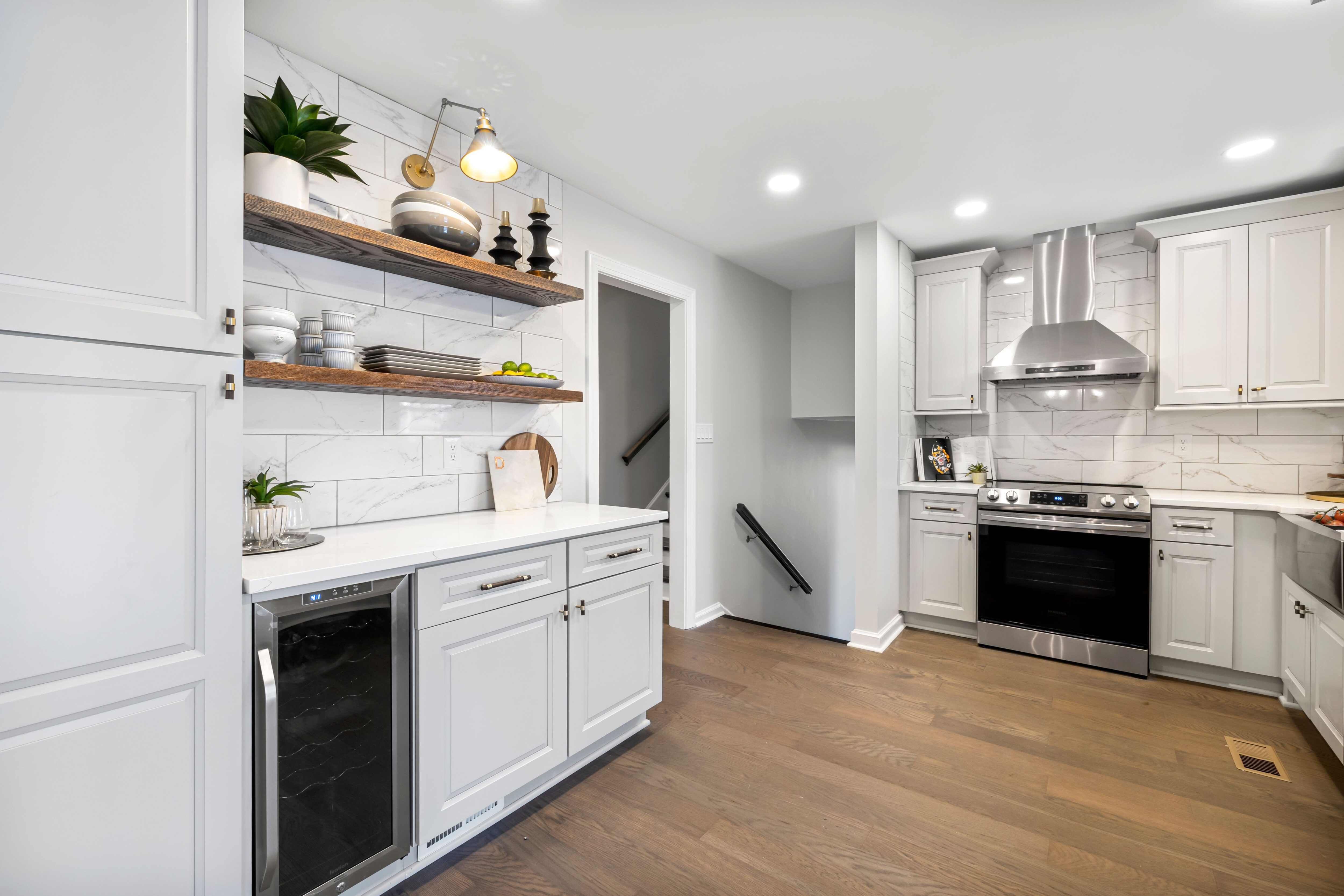
Founded in Calgary in 2004, Scottco Gas Ltd. has more than two decades of experience providing gas fitting services to local businesses. Our team consists of licensed Journeyperson Gas Fitters with practical experience designing and installing small commercial gas systems. Our A+ BBB Rating reflects our commitment to professional service and long-term customer relationships. Our focus is straightforward: provide well-planned, dependable gas systems with workmanship that meets the requirements of each project.
Small Commercial gas lines require more than simply running pipe from the meter to a piece of equipment. Every project has different BTU requirements, pipe lengths, pressure requirements, equipment configurations, and site conditions.
Before installation, we assess the system requirements and determine appropriate pipe sizing and routing. Where applicable, we also consider ventilation and commercial makeup-air requirements to help ensure equipment can operate safely and reliably.
By planning the system before installation begins, we can identify potential capacity and pressure issues early rather than addressing them after the piping is installed.
Why We Use Only High-Durability Materials to Build Systems That Last
We use quality piping, valves, and related components from reputable manufacturers. Materials and installation methods are selected to meet applicable Alberta gas and safety requirements and to provide dependable performance over the life of the system.
Safety and compliance are considered throughout the project, from system design through final testing. We work in accordance with applicable Alberta gas and safety requirements and verify the installation before it is ready for inspection.
This attention to detail supports a consistently strong record on initial local gas inspections.
Planning a new commercial space, renovating an existing business, or adding gas-fired equipment? Contact our team of professionals to discuss your project, review your plans or drawings, and receive a clear, comprehensive estimate for the required gas-fitting work.
Get a Free QuoteCommercial kitchen gas systems require careful consideration of total BTU demand, pipe sizing, operating pressure, equipment requirements, and accessible shut-offs. Ventilation and commercial makeup-air requirements may also need to be considered to support safe equipment operation.
Our team can assess your equipment and project requirements and determine an appropriate gas-line configuration.
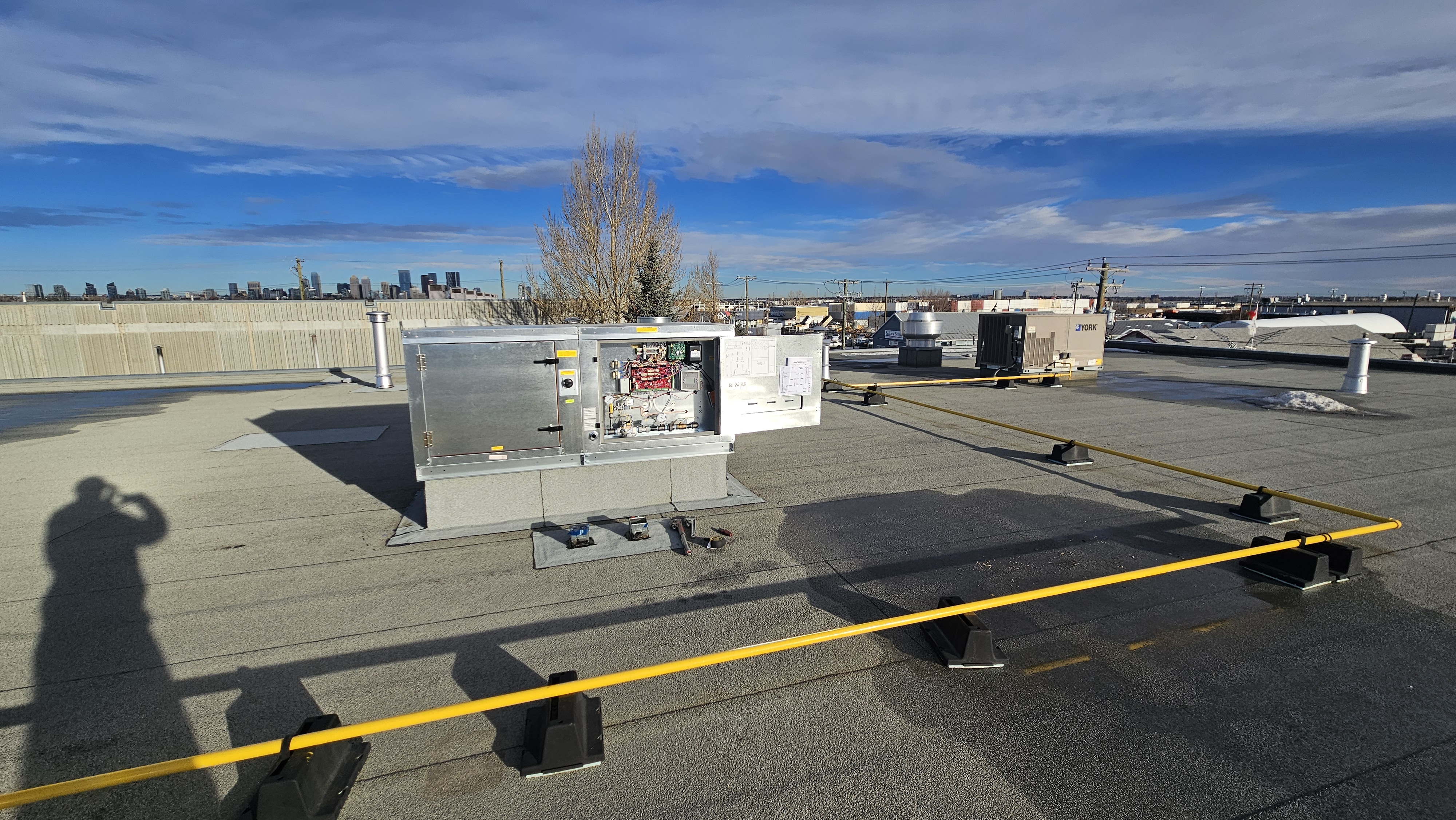
A typical commercial rooftop gas-line installation may take a minimum of two to four business days, depending on the scope and complexity of the project. The timeline can include pipe-routing and installation, engineered supports where required, pressure testing, and inspection coordination. Because every site is different, we provide a more specific timeline after assessing the project.
No. We provide gas fitting services for a range of small commercial applications, including commercial bays, equipment connections, kitchens, rooftop units, and other gas installations.
If you’re unsure whether your project falls within our scope, contact us and we can discuss the requirements.
No. We do not do jobs that required welding. Most residential and small commercial gas installations use approved threaded or mechanically joined piping systems. Welding is more commonly associated with larger commercial and industrial applications where pipe sizes, pressures, system design, or engineering requirements may call for welded connections.
The appropriate joining method depends on the type of installation, pipe material and size, gas pressure, and applicable codes and standards.